We may earn a commission when you buy through links on this page, at no extra cost to you. How this works.
Sure Petcare SureFeed Feeder Rear Cover
Compare microchip feeders that keep food thieves at bay and maintain mealtime peace.
Use the matching tool first
Start with Smart Feeder Portion Calculator if you want to narrow the fit before checking current offers.
Multi-pet households face a recurring problem: one pet eats another's food, whether due to different dietary needs, aggressive feeding behavior, or simple opportunism. Microchip and RFID feeders offer a technical solution by reading a pet's unique identification and granting selective access, but the devil lives in the details of how well that technology integrates into daily routines.
SureFeed and Petlibro represent two approaches to the same challenge. SureFeed built its reputation around microchip recognition that works with existing implanted ID chips or proprietary collar tags, while Petlibro has entered the market with RFID-based systems that rely exclusively on wearable tags. The choice between them hinges on four variables: how reliably the feeder reads your pet's identifier, how the physical design fits your feeding space and food types, how much setup friction you're willing to tolerate, and whether the feeder handles wet food, dry kibble, or both without jamming or spoiling.
This comparison focuses on those functional differences rather than subjective preference. Both technologies can stop food theft when they work as intended, but they differ in read range, lid mechanics, power requirements, and the trade-offs you accept in exchange for access control. Some feeders excel with wet food but struggle with kibble portion accuracy; others lock down dry food reliably but leave wet meals exposed longer than ideal. Understanding these execution gaps helps match the right feeder to your specific pet mix, feeding schedule, and tolerance for troubleshooting.
Expect a breakdown of how each system identifies pets, what happens when recognition fails, and which daily scenarios expose the strengths or limits of each design.
How Microchip and RFID Feeding Systems Work
Microchip feeders read identification embedded in or worn by your pet to control who accesses which bowl. The two most common technologies - implanted microchip scanning and RFID collar tags - look similar from the outside but work quite differently in daily use.
Implanted microchip readers detect the ISO-standard identification chip your veterinarian places under your pet's skin, usually between the shoulder blades. When a pet lowers its head toward the feeder, a scanner inside the device polls for the chip's unique signal. Most systems scan within a range of about one to three inches, which means the pet needs to approach the bowl directly. Because the chip has no battery, the feeder emits a low-frequency radio field that powers the chip just long enough to transmit its number. This approach eliminates the need for collars or tags, but it also demands consistent head positioning; if a curious cat circles the feeder or a small dog stands off to one side, detection may take a moment or fail until the pet steps closer.
RFID collar tag systems attach a lightweight plastic disc to your pet's existing collar. The tag carries a battery-powered transponder that this product its identifier continuously or wakes when it enters the feeder's radio field. Detection range varies by design - some tags register from six inches away, others from a foot or more - allowing pets to trigger the lid before their nose reaches the bowl. This wider range can speed recognition for confident eaters and reduce hesitation, but it also introduces a tradeoff: a second pet wearing a tag can inadvertently unlock the feeder if it wanders too close, and lost or chewed collars mean lost access until you order a replacement tag.
Reliability hinges on signal strength, pet behavior, and physical interference. Metal bowls, thick fur around the neck, or a collar that rides to the side can all dampen the radio exchange. Implanted chips rarely migrate far enough to cause read failures, but older chips using non-ISO frequencies may not register on newer feeders. RFID tags need fresh batteries - most last three to twelve months - and pet owners must remember to swap them before the signal fades. Neither technology is instantaneous; expect a brief pause as the feeder confirms identity and releases the lock, especially during the first few uses while pets learn to wait.
Understanding these mechanics clarifies why some households prefer the simplicity of implanted-chip scanning while others value the faster, longer-range response of collar tags. The choice shapes daily feeding routines, maintenance tasks, and how confidently your pets approach their meals.
Meet the Contenders: SureFeed and Petlibro RFID in Context
SureFeed entered the microchip pet feeder market with a veterinary focus, developed in consultation with animal health professionals in the UK. The company designs feeders around preventing food theft and reducing stress during feeding, primarily through selective bowl access triggered by implanted microchips or collar tags. Their product line stays narrow: sealed bowls, predictable mechanics, and minimal electronics beyond the RFID scanner itself. You won't find Wi-Fi modules or smartphone dashboards in a SureFeed unit. The brand appeals to households prioritizing reliable physical barriers and straightforward operation over connectivity.
Petlibro takes a different path. The brand builds feeders with app integration as a core feature, letting you monitor feeding activity, set meal schedules remotely, and receive notifications when specific pets access their bowls. Petlibro's RFID feeders sit inside a broader smart-pet ecosystem that includes cameras, water fountains, and automated dispensers. The engineering reflects a consumer-electronics sensibility: touchscreens, firmware updates, and modular accessories. Households already using connected pet products or seeking detailed feeding logs typically find Petlibro's approach more aligned with their routines.
Both brands solve the same multi-pet problem - one cat eating another's prescription food, or a dog intercepting a smaller pet's meal. SureFeed achieves this with a hinged lid that opens only for the registered animal, then closes when the pet walks away. Petlibro uses a similar lid mechanism but adds a second layer: timed access windows and activity tracking through a companion app. The tradeoff becomes clear early. SureFeed offers fewer moving parts and no reliance on server uptime or firmware compatibility. Petlibro offers visibility and remote control, at the cost of needing stable Wi-Fi and occasional troubleshooting when software updates arrive.
In practice, SureFeed units often land in homes with senior pets, medical diets, or owners who prefer appliances that work without apps. Petlibro feeders attract tech-comfortable households juggling multiple pets and irregular schedules, where remote monitoring provides practical reassurance. Neither approach is universally better; the right fit depends on whether you value simplicity and mechanical reliability or data access and flexible scheduling.
What to Evaluate Before You Buy a Microchip Feeder
- Does your pet already have a microchip, or will you need to use collar tags?
- How many pets need selective access, and how aggressive are food thieves?
- Will the feeder live on a counter, floor, or inside a cabinet?
- Do you prefer wet food, dry kibble, or need flexibility for both?
- How important is app connectivity and feeding logs versus standalone operation?
- What's your tolerance for setup complexity and ongoing maintenance?
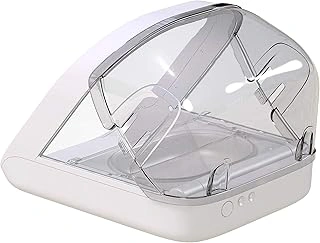
Sure Petcare SureFeed Feeder Rear Cover
The Sure Petcare SureFeed Feeder Rear Cover is an optional accessory designed to enhance the core SureFeed microchip feeder, not a standalone unit. It clips onto the back of the SureFeed feeder to create a physical barrier that blocks other pets from sneaking around to steal food from behind. If you have a clever cat or small dog that has learned to approach the bowl from the rear, or if you deal with messy eaters who scatter kibble beyond the main feeding area, this cover addresses both problems by closing off access and containing spills.
The main SureFeed feeder itself relies on your pet's implanted microchip or a compatible collar tag to unlock the lid, supporting common ISO chip formats without requiring a smartphone or Wi-Fi connection. The rear cover integrates directly with that feeder's footprint, maintaining the same white plastic aesthetic and clean lines. Installation is straightforward: the cover snaps into place without tools, and it comes off just as easily for cleaning.
Build quality matches the SureFeed feeder's solid construction. The plastic is smooth and wipes down quickly, which matters when wet food or water gets splashed against the back panel. For homes with open-plan kitchens or feeding stations in high-traffic areas, the cover also provides a more finished look by hiding cables and the feeder's open rear structure.
At $50.00, this accessory represents a significant added cost on top of the feeder itself. Whether it's necessary depends on your pets' behavior. Single-pet households or homes where the feeder sits against a wall may find the cover redundant. Multi-pet homes with persistent food thieves or particularly messy eaters will see immediate practical value. The cover doesn't change how the microchip scanning works or add new features - it simply closes a gap that some pets exploit and keeps the feeding area tidier.
- ✅ Blocks rear access for determined food stealers
- ✅ Contains spills and scattered kibble
- ✅ Easy snap-on installation and removal
- ✅ Smooth plastic cleans quickly
- ✅ Matches SureFeed feeder design
- ⚠️ $50.00 adds significant cost to the feeder system
- ⚠️ Not necessary for single-pet homes or wall-mounted setups
- ⚠️ Does not add functionality to microchip scanning
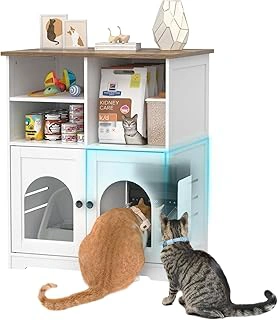
GDLF Cat Feeding Station Cabinet for Microchip Feeder with Dog-Proof Design
The GDLF Cat Feeding Station Cabinet is not a feeder - it's a wooden enclosure designed to house your existing microchip feeder, whether that's a SureFeed, Petlibro, or similar model. The cabinet addresses a specific problem in multi-species homes: dogs or larger pets stealing cat food even when the feeder itself is microchip-controlled. The cat-sized entry opening allows feline access while physically blocking larger animals, adding a layer of security that RFID technology alone can't provide.
Build quality centers on engineered wood construction with a finished exterior that blends into home décor more naturally than exposed plastic feeders. The internal space accommodates standard microchip feeders, though you'll want to verify dimensions before purchase - the cabinet works with most single-bowl automatic feeders, but double-check your specific model's footprint. Assembly is required, and the instructions assume basic furniture-building familiarity.
The dog-proof design works through simple physics: the entry is too small for medium or large dogs to reach through, and the cabinet structure helps reduce the chance of paw access from above or the sides. Cats learn to enter quickly, and the enclosed space offers feeding privacy that some pets prefer. The tradeoff is access for cleaning - you'll need to open the cabinet door to wipe down the feeder or refill it, which adds a step compared to an open countertop setup. The footprint is larger than a standalone feeder, so measure your floor space carefully if you're working with a tight kitchen or hallway.
This cabinet makes the most sense in homes where a microchip feeder alone hasn't fully solved the food-stealing problem, particularly if you have a persistent dog and a cautious cat. It also appeals to owners who want the function of automatic feeding without the visual clutter of tech sitting on the floor. At $109.99, the cabinet is an add-on investment on top of your feeder cost, but it solves a problem that neither SureFeed nor Petlibro hardware can address independently. If your main challenge is species separation rather than just pet identification, this enclosure changes the feeding dynamic in ways that RFID alone cannot.
- ✅ Physically blocks dogs and larger pets from reaching cat food
- ✅ Provides enclosed feeding space that many cats prefer
- ✅ Finished wood construction blends with home furniture
- ✅ Compatible with SureFeed, Petlibro, and similar microchip feeders
- ⚠️ Requires assembly with basic furniture-building skills
- ⚠️ Larger footprint than standalone feeder
- ⚠️ Cabinet door access needed for cleaning and refilling adds a step
- ⚠️ Additional cost on top of the feeder itself
Design and Build Quality: How Each Feeder Fits Your Space
Physical footprint and daily maintenance shape how well a microchip feeder integrates into your home, especially in kitchens, dining areas, or shared spaces where design matters as much as function.
SureFeed feeders use a compact, low-profile design with a matte plastic shell in white or gray. The bowl sits inside a sealed compartment beneath a hinged lid, which keeps food fresh and reduces odor when closed. The lid mechanism relies on a spring-loaded hinge that opens when the correct pet approaches, then closes with a gentle snap. Over months of use, the hinge remains smooth, though the plastic finish can show scratches if paws dig at the edges. The bowl is dishwasher-safe and removable, making cleanup straightforward. The overall footprint is narrow enough for counter edges or tight floor spaces, and the neutral colors blend into most interiors without drawing attention.
Petlibro RFID feeders feature a slightly larger base with a rounded, glossy plastic finish available in white or light gray. The bowl area is open rather than enclosed, with a motorized lid that lifts vertically when the pet's collar tag is detected. This design exposes food more openly, which can lead to faster drying or attract curious non-registered pets if they approach quickly. The motorized lid runs quietly but requires battery power or a USB adapter, adding a maintenance step. The bowl is also dishwasher-safe, and the wider diameter accommodates larger portions or flat-faced breeds that prefer shallow dishes. The glossy surface shows smudges and dust more readily than matte finishes, and the rounded profile takes up more floor space, which can be a constraint in narrow hallways or under furniture.
Both feeders sit directly on the floor or counter, so spills depend on your pet's eating style. SureFeed's enclosed design contains most splashing, while Petlibro's open bowl can scatter kibble if a pet digs or flips food. Neither feeder includes a mat, so placing a silicone tray underneath helps catch crumbs and water.
If visual integration is a priority, the SureFeed's matte finish and compact shape fit more easily into minimalist or design-conscious spaces. Petlibro's glossy, rounded form works well in modern kitchens but may feel more utilitarian in living areas. Neither feeder locks into cabinetry or built-in solutions by default, though the SureFeed's smaller footprint makes it easier to tuck into custom enclosures or pet-feeding stations if you prefer a hidden setup.
Lid durability differs: SureFeed's spring hinge withstands daily cycles without motors, while Petlibro's motorized lift adds a point of potential wear if batteries weaken or the motor jams. Both companies offer replacement bowls, but long-term hinge or motor issues may require contacting support rather than swapping parts yourself.
Technology Reliability: Microchip vs. RFID Tag Performance
Detection consistency separates a reliable feeder from a frustrating one. SureFeed microchip feeders read ISO 11784 and 11785 standard chips implanted in most pets, eliminating the need for external hardware. The scanner activates when a pet's head approaches within two to three inches, triggering the lid to open. This proximity requirement reduces false opens from pets walking past but means your cat or dog must position itself close to the feeder entrance. Microchip systems rarely fail to register once trained, though thick fur or unusual head angles can occasionally delay detection by a second or two.
Petlibro RFID feeders rely on lightweight collar tags rather than implanted chips. The reader captures tag signals from roughly four to six inches away, offering a wider detection zone that works even when pets approach at an angle. Setup involves pairing each tag to a specific pet profile in the app, a process that takes about thirty seconds per animal. RFID tags can be lost, chewed, or removed, requiring replacements that add recurring costs. The collar itself must stay securely fastened, which can be a problem for cats that slip collars or dogs that scratch them off.
False positives are uncommon with both technologies but occur differently. Microchip feeders may open for an unregistered pet if that animal wears a collar tag from a different RFID system operating on overlapping frequencies, though this is rare in single-brand households. Petlibro's RFID system occasionally registers a tag too early when a tagged pet lingers near the feeder without eating, wasting a feeding cycle if portion control is active. Neither system requires recalibration after initial setup, but adding a new pet is simpler with microchip models since there's no physical tag to order or attach.
When a microchip fails to register, the usual cause is pet positioning rather than hardware malfunction. Moving the food bowl slightly deeper into the feeder or adjusting the scanner height often solves the issue. RFID tag failures typically stem from physical damage, low battery in battery-powered tags, or interference from metal collar components. Replacing a lost RFID tag takes one to three business days for shipping, during which the pet either shares another feeder or eats unsupervised. Microchip systems avoid this dependency entirely, making them more reliable for homes where collar wear isn't practical.
Range sensitivity matters most in tight spaces or multi-pet households. Microchip feeders perform consistently regardless of ambient electronic interference, while RFID tags can experience slight delays near Wi-Fi routers, microwaves, or other RFID devices. Neither technology is immune to determined pets learning to tailgate, but the narrower detection range of microchip scanners makes unauthorized access harder to exploit. For households with pets already microchipped for identification, SureFeed's approach removes one piece of gear from the daily routine and eliminates tag-related maintenance.
Feeding Functionality: Portion Control, Bowl Type, and Food Compatibility
Portion control and food compatibility differ sharply between SureFeed and Petlibro RFID feeders, reflecting their distinct design philosophies. SureFeed microchip feeders use a sealed-bowl design that works best with wet food or semi-moist diets. The lid creates an airtight seal when closed, keeping food fresh between meals and preventing other pets from accessing it. Most SureFeed models come with a removable bowl insert that lifts out for easy cleaning, though the bowl capacity is fixed - typically around 400 mL, which suits standard meal portions for cats and small dogs. You control portions manually by measuring food before placing it in the bowl; there's no app or timer to dispense specific amounts automatically.
Petlibro RFID feeders lean toward dry kibble and gravity-fed systems. Many Petlibro models feature a hopper that holds several days' worth of kibble and dispenses preset portions on a schedule. The app lets you adjust portion sizes in small increments and set multiple feeding times throughout the day, which works well for weight management or pets that need frequent smaller meals. The bowls are usually stainless steel or BPA-free plastic, removable for cleaning, but the open design means less protection for wet food - moisture can clog the dispenser mechanism, and the food won't stay as fresh without a seal.
Wet food freshness is where SureFeed has a clear advantage. The sealed lid and moisture-resistant design keep pâté, chunks in gravy, or raw meals from drying out or attracting pests between feedings. If your cat eats slowly or grazes over an hour, the seal maintains texture and smell. Petlibro feeders don't offer this same freshness barrier; wet food left in an open bowl will dry at the edges and lose appeal quickly. Some users have placed small amounts of wet food in a Petlibro stainless bowl as a topper over kibble, but the feeder isn't optimized for that use case.
Special diets and feeding schedules add another layer of consideration. SureFeed works well for pets on prescription wet foods, raw diets, or anything that needs to stay covered and separate from other animals. You set the feeding schedule by your own routine - fill the bowl when it's time to eat, and the feeder opens only for the registered pet. Petlibro's programmable schedule suits pets that need timed, portion-controlled dry food throughout the day, such as diabetic cats requiring consistent carbohydrate intake or dogs prone to bloat who benefit from smaller, more frequent meals. The app-based control also helps when you're away from home and want to adjust feeding times remotely.
Both systems have practical limitations. SureFeed bowls are small, so large dogs or pets with big appetites may need refills more often, and the feeder won't work well with kibble that needs to be dispensed in bulk. Petlibro's hopper and dispenser can jam if kibble pieces are irregularly shaped or too large, and the lack of a seal makes it unsuitable for wet or semi-moist food. Neither feeder solves the problem of pets that need真正 free-feeding access all day - SureFeed requires you to manually refill and open the feeder for each meal window, and Petlibro dispenses only at the times you program.
The ideal use case for SureFeed is a multi-pet household where one animal eats wet food on a prescription or special diet and needs a secure, fresh environment. The ideal use case for Petlibro is a home where pets eat dry kibble on a fixed schedule and you want the convenience of automated, portion-controlled dispensing with remote monitoring. Understanding these feeding functionality differences helps match the feeder to your pets' actual diet and routine, rather than forcing a system that wasn't built for how your animals eat.
Smart Features and Connectivity: When Apps Add Value (and When They Don't)
App connectivity splits sharply between these brands. Petlibro models like the RFID Granary feeder include Wi-Fi and companion apps that log feeding times, send notifications when meals are served, and let you monitor activity remotely. You can check whether your cat ate breakfast from your office or adjust schedules on the fly. SureFeed feeders operate entirely offline - no app, no Wi-Fi, and no cloud dependency. The lid opens when the registered microchip or collar tag is detected, then closes on a timer. Nothing more.
Apps add convenience when you travel or work long hours, especially if you want proof your pet accessed food while you were away. The Petlibro app keeps a timestamped record and can alert you to missed meals or unusual patterns. That peace of mind matters if you manage medication timing or share pet care with a roommate or sitter who may not be home at the same time you are.
Standalone operation removes failure points. SureFeed feeders run on batteries - four C cells typically last several months depending on usage - so power outages and router resets never interrupt access. No app means no firmware updates, no account creation, and no troubleshooting connection drops. The feeder works the same way whether your internet is down or your phone is dead.
Petlibro's connected models require stable Wi-Fi and a power outlet. If your router goes offline or the app server experiences downtime, you lose remote monitoring and notifications, though the feeder continues to dispense food according to its internal schedule. Battery backup varies by model, so a power failure can halt operation entirely unless the unit includes a backup option.
Cost and complexity rise with connectivity. Petlibro's RFID feeders with app support typically cost more upfront than SureFeed's microchip bowls, and you depend on the manufacturer maintaining server infrastructure long-term. SureFeed's analog approach costs less over time - no subscription risk, no cloud sunset - but you sacrifice visibility when you're not home.
Choose app-enabled feeders when remote monitoring or feeding logs solve a real problem in your routine. Stick with standalone operation if simplicity, reliability during outages, and lower long-term cost matter more than digital dashboards.
Ease of Use: Setup, Cleaning, and Daily Operation
Unboxing either feeder takes about ten minutes. SureFeed units arrive with the bowl, lid mechanism, and battery compartment clearly labeled. Petlibro RFID feeders include similar components plus a power adapter and, depending on the model, a quick-start card with QR codes for app setup. Both require four AA batteries or USB power, and both let you program the microchip or RFID tag during the first feeding by holding a button while your pet approaches.
Pet training time varies. Cats and small dogs usually adapt within three to five days once they associate the feeder with their own chip. Start by propping the lid open for the first few meals so your pet learns the location and scent. After that, let the sensor take over. Some pets hesitate at the motor sound; leaving a few high-value treats near the bowl speeds acceptance. If a pet refuses to trigger the sensor, check that the chip is ISO-compatible and positioned within two inches of the reader during setup.
Daily refills are straightforward. Lift the bowl, rinse or wipe, add fresh food, and snap it back into place. SureFeed bowls are not dishwasher safe; hand-wash with warm soapy water and dry thoroughly to prevent moisture from reaching the electronics. Petlibro stainless-steel inserts on some models are top-rack dishwasher safe, which cuts cleaning time if you run the dishwasher daily. Wipe the lid and sensor window weekly with a damp cloth to remove dust or kibble oil that can interfere with the RFID read.
Stuck lids happen when food spills onto the hinge or when a determined paw tries to force entry. SureFeed lids use a motorized arm that retracts into a housing; if kibble jams the mechanism, power off, remove the bowl, and clear debris with a dry brush. Petlibro designs vary, but most use a similar slide-and-lock system. A stuck lid usually means the sensor lost power or the pet's chip was read mid-close. Reset by unplugging, waiting ten seconds, and retraining the chip.
Sensor malfunctions are rare but recognizable: the feeder opens for every pet, or it won't open at all. First, replace the batteries - low voltage is the most common cause. If the problem persists, delete all registered chips in the settings menu and re-enroll one pet at a time. For Petlibro app-connected models, check that Bluetooth or Wi-Fi is enabled and that the firmware is current. SureFeed uses no app, so troubleshooting stops at battery and chip re-registration.
Ongoing attention depends on your household. Single-chip homes need only weekly cleaning and monthly battery checks. Multi-pet households benefit from Petlibro's app notifications for low battery or lid errors, which reduce guesswork. SureFeed requires a hands-on check every few days to confirm the lid closes fully and the bowl stays dry. Neither feeder is high-maintenance, but Petlibro's remote monitoring means fewer trips to the feeding station if you're away during the day.
The Verdict: Choosing the Right Microchip Feeder for Your Household
Choosing between SureFeed and Petlibro microchip feeders comes down to three factors: the pets you're managing, the infrastructure you already have in place, and how much control you want over feeding schedules.
SureFeed works best for households where cats or small dogs are already microchipped with ISO standard chips, you want a plug-and-play solution with no app dependency, and your priority is stopping one pet from stealing another's food. The sealed bowl design keeps food fresh longer and deters fast eaters, but you'll manage portion control manually and won't get feeding notifications when you're away.
Petlibro RFID feeders suit multi-pet homes that need scheduled feeding, remote monitoring through the app, and flexible pet identification - especially if your pets aren't microchipped or use non-ISO chips. The collar tags work reliably, but you're adding another piece of gear to manage, and the app introduces a layer of complexity that some households don't need. Battery life and connectivity can become friction points if your home has weak Wi-Fi coverage near the feeder.
If your cats are persistent lid-lifters or you need to physically separate feeding areas, the GDLF cabinet offers a containment upgrade that works with either feeder. It's an added expense and footprint, but it solves access problems that the feeders alone can't address.
Neither system is a universal fix. SureFeed's microchip scanner occasionally misreads chips that sit deep under the skin or off-center, and Petlibro's collar tags can get lost or cause discomfort for cats sensitive to neck accessories. Budget matters too - SureFeed's higher upfront cost trades against Petlibro's ongoing need for backup collars and batteries.
Before committing, check current prices for both feeders and read recent buyer feedback to spot any recurring issues with the batch or firmware version you'd receive. If possible, confirm your pets' microchip standards or test their tolerance for wearing a collar tag. A 30-day return window gives you enough time to see whether the feeder's logic matches your household's real-world chaos.