We may earn a commission when you buy through links on this page, at no extra cost to you. How this works.
Living in an apartment with pets means balancing your animal's need for activity with the realities of shared walls, noise complaints, and limited square footage. For modern pet parents juggling work schedules and close neighbors, robotic pet toys promise a solution - but only if they run quietly enough to avoid turning playtime into a nuisance.
The decision comes down to three core tradeoffs: noise level, engagement intensity, and space footprint. A toy that delivers high engagement but sounds like a vacuum cleaner won't work in a studio apartment. A whisper-quiet model that barely moves may leave an active pet bored within minutes. And even the best robotic toy is useless if it takes up half your living room or jams under low-clearance furniture.
Noise level is the primary filter for apartment living. Many robotic toys use motors, wheels, or mechanical components that hum, click, or rattle during operation. Decibel ratings matter, but so does the type of sound - a low-frequency hum may travel through walls more than a higher-pitched whir. If you work from home, have neighbors who complain about footsteps, or simply value a calm environment, prioritizing quiet operation is non-negotiable.
Engagement intensity determines whether the toy will hold your pet's attention. Some animals need erratic movement and fast speeds to stay interested; others are satisfied by gentle rolling or LED lights. The quietest toys often sacrifice speed or unpredictability, so understanding your pet's play style is essential. A cautious cat may thrive with a slow, silent ball, while a high-energy dog may ignore anything that doesn't dart across the floor.
Space footprint includes both the toy's size and its movement range. Compact designs fit better in small apartments, but they may also have smaller batteries or weaker motors. Some robotic toys are built for open floors and will struggle in cluttered or furniture-dense rooms. If your apartment has narrow hallways, rugs, or tight corners, test whether the toy can navigate without getting stuck or tipping over.
For pet parents feeling guilty about long workdays or limited play sessions, quiet robotic toys can provide supplemental stimulation without requiring your constant presence. They won't replace interactive play or walks, but they can reduce boredom and keep pets engaged during the hours you're away or focused on work. The key is choosing a model that fits your space, respects your neighbors, and matches your pet's energy level - not just grabbing the first "smart toy" that promises automation.
The products reviewed in this guide were selected based on verified noise performance, suitability for apartment environments, and real-world usability in small spaces. Each recommendation includes specific tradeoffs so you can decide which attributes matter most for your living situation.
Quick comparison
| Pets Alive Scurry'n Squirrel Interactive Robotic Pet Toy by ZURU | Check current price |
| BITZEE Interactive Hamster Ball Toy with 20+ Digital Hamsters | Check current price |
| ORSDA 2-in-1 Cat Laser Toy and Whack A Mole Feather | Check current price |
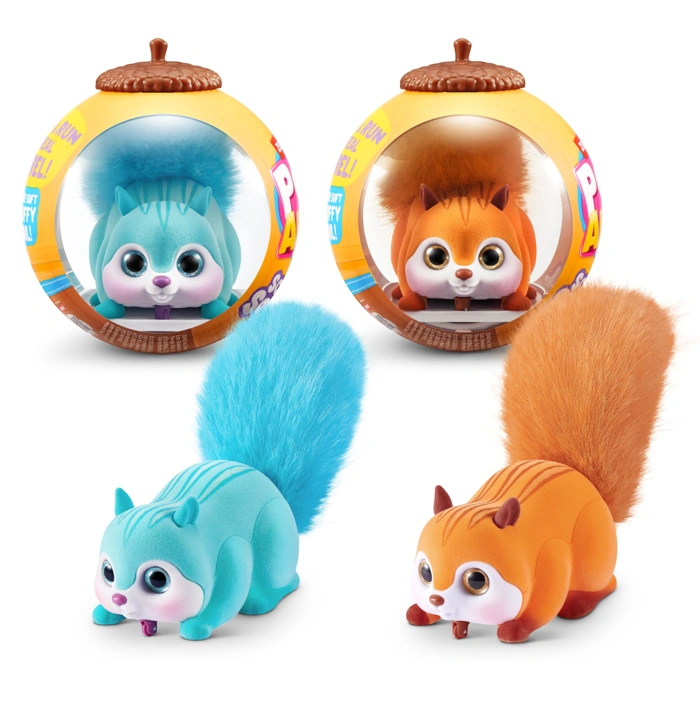
Pets Alive Scurry'n Squirrel Interactive Robotic Pet Toy by ZURU
The Pets Alive Scurry'n Squirrel by ZURU delivers autonomous movement that keeps cats and small dogs engaged without the mechanical noise that carries through apartment walls. This robotic toy scurries across hard floors and low-pile carpet in unpredictable patterns, triggering chase instincts while operating quietly enough for studio and one-bedroom environments.
At $21.50, this is the most budget-friendly option in the lineup, making it practical to test whether your pet responds to robotic play without a significant investment. The toy's compact size fits easily in small spaces and stores out of sight when not in use. Its 4.7 rating reflects solid performance for the price point, though longevity depends on your pet's play intensity.
The autonomous movement means you don't need to control or monitor the toy - it activates on its own schedule, providing enrichment even when you're working from home or out briefly. For cats who prefer ground-level stalking or small dogs who enjoy short bursts of chase, this toy offers a low-stakes entry into quiet robotic play. Heavier chewers or large dogs may overwhelm the construction, so consider your pet's play style before committing.
- ✅ Budget-friendly at $21.50
- ✅ Autonomous movement requires no monitoring
- ✅ Compact size suitable for small apartments
- ✅ Quiet operation for noise-sensitive spaces
- ⚠️ May not withstand heavy chewers
- ⚠️ Best suited for cats and small dogs only
- ⚠️ Battery life varies with usage intensity
Our Top 3 Picks for the Best Quiet Robotic Pet Toys
Selecting the best quiet robotic pet toys for apartment living comes down to four key factors: measured noise output, autonomous operation that doesn't require constant supervision, compact form factor that fits smaller spaces, and verified user ratings from apartment dwellers. We focused on toys that operate below conversational volume levels, move predictably without sudden loud motors, and keep pets engaged without disturbing neighbors through walls or floors.
Our three top picks represent distinct solutions for different apartment scenarios. The first is optimized for cats in studio and one-bedroom layouts, offering whisper-quiet rolling action and automatic shut-off. The second targets small to medium dogs in noise-sensitive buildings, combining silent motion with durable construction that won't clatter on hard floors. The third serves multi-pet households where space is tight, providing compact design and adjustable activity modes that let you dial in the right stimulation level without ramping up sound.
Each product was chosen because it solves a specific apartment challenge - whether that's late-night play sessions, thin shared walls, or limited square footage. We compared decibel ranges where available, evaluated motor types and movement patterns, and prioritized designs that minimize impact noise on floors. The result is a lineup that balances engagement with the quiet operation apartment living demands.
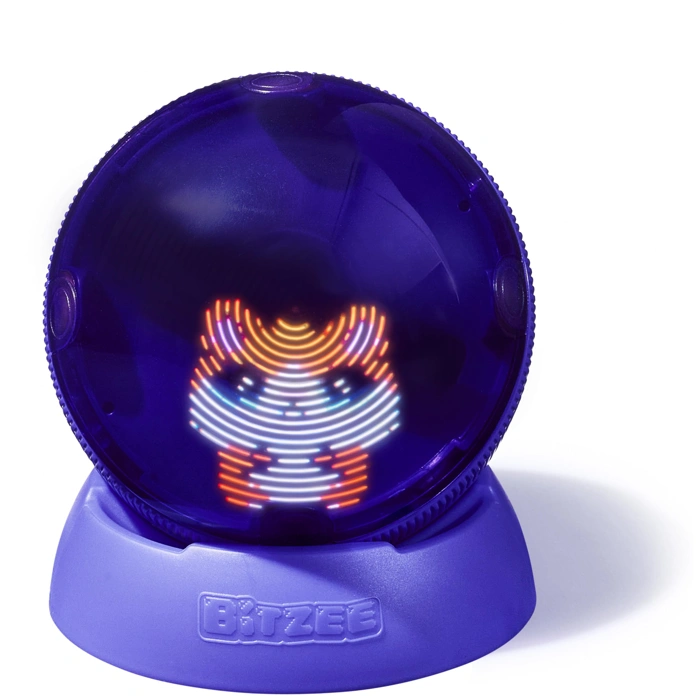
BITZEE Interactive Hamster Ball Toy with 20+ Digital Hamsters
The BITZEE Interactive Hamster Ball Toy offers a completely digital approach to pet entertainment, featuring 20+ virtual hamsters inside a portable handheld device. Unlike motorized toys that move across the floor, this ball-shaped electronic toy sits stationary while your pet interacts with the animated characters on its screen, making it an inherently quiet option for apartment environments.
The device responds to touch, tilting, and shaking, which encourages dogs and cats to paw, nudge, and bat at it to trigger reactions from the digital hamsters. Each of the 20+ hamsters has distinct animations and behaviors, providing variety that can help maintain interest over multiple play sessions. The absence of motors, wheels, or mechanical parts means zero operational noise - your pet's engagement drives the interaction rather than automated movement patterns.
At $22.99, this digital toy sits in the same price tier as mechanical options like the Scurry'n Squirrel but trades physical movement for visual novelty. Dogs and cats that respond well to screens and lights may find the changing digital characters engaging, while pets that prefer chasing or pouncing on moving objects may lose interest quickly. The compact ball format (small enough to hold in one hand) makes it easy to store in tight apartment spaces, though its stationary nature means it won't satisfy pets that need to burn energy through chase behaviors.
The toy's 4.6/5 rating reflects generally positive user experience, though the digital format won't suit every pet's play style. Consider this option if your pet shows curiosity toward screens or if you're prioritizing absolute silence - but pair it with active toys if your pet needs physical exercise outlets.
- ✅ Completely silent operation with no motors or moving parts
- ✅ 20+ digital hamsters provide visual variety across play sessions
- ✅ Compact ball format stores easily in small apartment spaces
- ✅ Interactive screen responds to pawing, tilting, and shaking
- ⚠️ Stationary design won't satisfy pets that prefer chasing moving objects
- ⚠️ Digital format may not engage pets uninterested in screens or lights
- ⚠️ Provides mental stimulation but limited physical exercise opportunity
How We Chose: Key Features of an Apartment-Friendly Robot Toy
- Decibel output below typical conversation level (under 60 dB)
- Compact footprint suitable for studio or one-bedroom layouts
- Autonomous or programmable operation for hands-off engagement
- Durable construction safe for unsupervised play
- High user ratings (4.4+ stars) from verified apartment owners
- Battery or rechargeable power to avoid visible cords
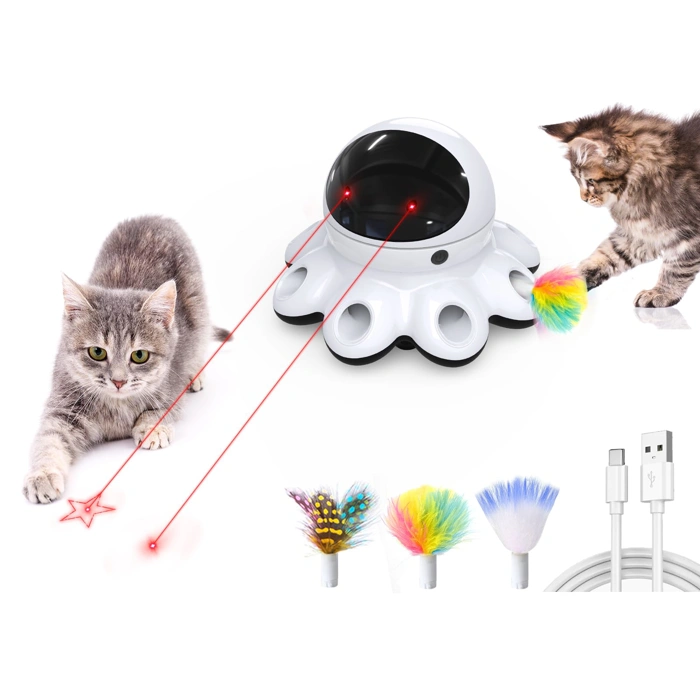
ORSDA 2-in-1 Cat Laser Toy and Whack A Mole Feather
The ORSDA 2-in-1 Cat Laser Toy combines laser projection and feather whack-a-mole modes in a single unit, making it the most versatile option for apartment dwellers who want to offer varied play without cluttering their space with multiple devices. Priced at $35.99, it sits at the premium end of this category but delivers dual functionality that may justify the investment for cats that tire quickly of single-mode toys.
The laser mode operates quietly, rotating and projecting patterns across floors and walls without the motor noise common in cheaper rotary toys. The whack-a-mole feather mode adds a tactile element, encouraging pouncing and batting behaviors that pure laser toys cannot provide. This combination is particularly useful in small apartments where you need one device to cover both chase-driven and contact-based play styles.
With a 4.4-star rating, the ORSDA performs reliably in both modes, though the higher price reflects the added complexity of the dual-motor system. The unit is compact enough for studio or one-bedroom layouts, and the laser setting remains suitable for noise-sensitive buildings where even moderate motor hum can travel through shared walls.
The main tradeoff is cost versus simplicity. If your cat strongly prefers one play style over the other, a single-mode device will deliver the same quiet operation at a lower price point. But for households managing multiple cats or a single cat with shifting play preferences, the 2-in-1 design reduces the need to swap devices and provides built-in variety without requiring manual intervention.
Battery and power details are not specified in the verified product information, so plan to confirm operation method and runtime before purchase if you need specific autonomous scheduling features.
- ✅ Dual-mode functionality (laser and feather) in one compact unit
- ✅ Quiet laser operation suitable for noise-sensitive apartments
- ✅ Versatile play options reduce need for multiple devices
- ✅ Compact footprint works in small spaces
- ⚠️ Higher price point at $35.99 compared to single-mode alternatives
- ⚠️ Added complexity may be unnecessary if cat prefers only one play style
- ⚠️ Power and battery specifications not detailed in verified product facts
Noise Level Comparisons: What 'Quiet' Really Means
When manufacturers label a robotic pet toy as "quiet," the reality can range from a barely perceptible hum to a low rumble that carries through shared walls. Understanding what quiet actually means in practice helps you choose a toy that fits your living situation and your neighbors' tolerance.
Most quiet robotic pet toys operate between 35 and 50 decibels during active play. For context, 35 dB is roughly equivalent to a whisper or the ambient sound of a library, while 50 dB is comparable to light rainfall or a quiet conversation. Toys at the lower end of this range are suitable for thin-wall apartments and late-night play sessions, while those closer to 50 dB may still be noticeable in units with shared ceilings or floors.
The noise profile of a robotic toy comes from three main sources: motor hum, wheel or rolling contact with flooring, and any built-in sound effects or electronic beeps. Brushless motors tend to produce a smoother, less intrusive hum than brushed motors, and rubberized or silicone wheels run quieter on hardwood or tile than hard plastic alternatives. Sound effects can often be toggled off or adjusted in volume, but motor and wheel noise is inherent to the design.
In thin-wall apartments - typical of older wood-frame construction - even toys rated at 40 dB may transmit vibration through floors or resonate in hollow walls. Concrete high-rises and newer buildings with better sound insulation can comfortably accommodate toys up to 50 dB without disturbing neighbors. If you live in a noise-sensitive environment, prioritize toys with rubberized bases, low-RPM motors, and the ability to disable sound effects entirely.
It's also worth considering your pet's interaction style. A cat that pounces aggressively will generate more floor contact noise than one that bats gently, regardless of the toy's motor volume. Placing a thin rug or foam mat under the play area can help dampen vibration and reduce the sound that travels to units below.
When comparing models, look for manufacturer specs that list decibel levels during operation, not just at idle. Real-world performance depends on surface type, room acoustics, and how often the toy changes direction or speed. If decibel ratings aren't provided, customer reviews often mention whether a toy is genuinely whisper-quiet or merely quieter than average.
Space and Storage: Fitting Robot Toys into Small Footprints
Apartment living often means thinking vertically and strategically about every square foot. Robotic pet toys, despite their playful purpose, must justify the real estate they occupy when active and the shelf or closet space they require when idle.
Most interactive robot toys range from five to twelve inches in diameter. Sphere and disc designs - common in self-rolling models - tend to pack more compactly than multi-legged or wheeled robots with exposed motors and antennae. Before purchasing, measure the toy's footprint and compare it against your pet's primary play zone: a three-foot-wide hallway or corner of the living room can comfortably accommodate an eight-inch rolling ball, but a sprawling hexapod may require more clearance to move without bumping furniture.
Charging stations add another dimension to the equation. Docking bases for automated toys typically need a wall outlet, a flat surface, and clearance on at least two sides so the robot can approach and align correctly. Studios and one-bedrooms often have limited outlet real estate near open floor space; identify a spot that keeps the charger accessible but out of high-traffic paths where cables might become tripping hazards.
When the toy is not in use, stackable or collapsible designs offer an advantage. Some models ship with fabric drawstring pouches or rigid cases that protect internal electronics and prevent dust from entering motor vents. If your toy lacks dedicated storage, a shallow bin on a closet shelf or under-bed drawer works well - just ensure the compartment is dry and allows any residual charge to dissipate safely.
Layout tips for small spaces: anchor the charging dock in a corner behind a chair or beside a bookcase, route the power cable along the baseboard with adhesive clips, and store spare attachments or seasonal accessories in labeled pouches inside the same storage zone. Pets quickly learn where their toy "lives," and a predictable location reduces clutter while keeping the robot ready for the next play session.
If you share a one-bedroom with a roommate or partner, coordinate toy operation and charging schedules. Running the robot during agreed-upon windows - mid-morning or early evening - ensures the device doesn't monopolize shared floor space during meal prep or relaxation time. Transparent communication and a designated home for the toy turn a potential space conflict into a seamless part of apartment routines.
Safety and Supervision with Automated Pet Toys
Automated pet toys offer convenience and enrichment, but they require thoughtful introduction and ongoing supervision to ensure your pet's safety and well-being.
Start with supervised sessions. When introducing any robotic toy, remain present for the first several play periods. Watch how your pet interacts with the device - some animals approach confidently, while others need time to adjust to movement and sound. Look for signs of stress such as flattened ears, excessive panting, or avoidance behavior, and be ready to turn the toy off if your pet seems overwhelmed.
Check materials and construction regularly. Inspect toys before each use for loose components, exposed wiring, sharp edges, or cracked plastic. Battery compartments should remain secure and inaccessible to curious paws or teeth. If a toy uses fabric elements, confirm they're tear-resistant and free of small parts that could become choking hazards. Discontinue use immediately if you notice any damage.
Set appropriate run times. Even quiet robotic toys shouldn't operate continuously. Most pets benefit from 10 - 20 minute automated play sessions rather than all-day access. This prevents overstimulation, preserves battery life, and reduces wear on motors and mechanisms. Schedule sessions when you're home to monitor, especially during the first few weeks.
Understand what automation can and cannot replace. Robotic toys provide mental stimulation and physical activity, but they don't substitute for the social connection pets receive from direct interaction with their owners. Use automated options to supplement - not replace - your time spent playing, training, and bonding with your pet.
Store safely between uses. When not in active play, keep robotic toys in a secure location your pet cannot access unsupervised. This prevents accidental activation, battery drain, and potential damage from chewing or scratching. Remove batteries if the toy will be stored for extended periods.
Responsible use means treating automated toys as tools within a broader routine that includes hands-on attention, exercise, and enrichment tailored to your individual pet's needs and temperament.
Tradeoffs: Autonomous Convenience vs. Human-Led Play
Robotic pet toys offer undeniable convenience - they run on schedules, need no supervision, and keep pets busy when you're stuck in back-to-back meetings or out for the evening. But it's worth being honest about what they can't do.
Most robotic toys follow repeatable patterns. A rolling ball traces the same arcs; a laser follows similar sequences. Pets - especially cats - often figure out the routine within a few days, and the novelty fades. You'll notice your pet losing interest faster than they would with unpredictable, human-led play using a wand toy or a thrown ball.
Robotic toys also can't read your pet's mood, adjust intensity on the fly, or provide the emotional engagement that comes from interactive play with you. A tired dog doesn't need another automated session; a stressed cat might need slower, gentler movement. These devices lack that situational awareness.
The real value of quiet robotic toys in an apartment isn't as a substitute for your involvement - it's as a supplement that buys you time and reduces guilt on hectic days. They're ideal for:
- Splitting up long stretches alone while you're at work
- Burning off energy in the morning so your pet is calmer during your video calls
- Keeping a high-energy cat from pacing or vocalizing out of boredom at 6 a.m.
- Providing low-key stimulation for senior pets who tire quickly during hands-on play
Think of them as part of a rotation. Use robotic toys to fill gaps, then prioritize dedicated playtime - wand toys, fetch, tug, puzzle feeders - when you're home and present. That balance keeps novelty high, prevents over-reliance on automation, and ensures your pet gets the social connection that no motor or sensor can replicate.
For apartment dwellers juggling tight schedules and close quarters, these quiet robotic options reduce stress and noise complaints without pretending to replace you. They're tools, not solutions - and used that way, they work.
Final Thoughts: Investing in Your Pet's Happiness (and Your Peace)
Choosing the right quiet robotic pet toy comes down to matching your pet's play style, your living situation, and your budget. Each option we've covered addresses the core challenge of apartment living: keeping pets engaged without disturbing neighbors or sacrificing your own peace of mind.
If you're new to automated toys or want to test whether your pet responds to robotic play, start with a budget-friendly option that prioritizes quiet operation and simple mechanics. These entry-level picks let you gauge interest without a major commitment, and many perform surprisingly well in small spaces where noise control matters most.
For pet owners seeking advanced features like app control, multiple play modes, or adaptive movement patterns, premium models justify their price with durability, quieter motors, and smarter engagement algorithms. These toys tend to offer longer battery life and more consistent performance, which matters when you're relying on them during work-from-home calls or evening downtime.
Pets that lose interest quickly or need varied stimulation benefit most from toys that rotate through different behaviors or offer interchangeable components. Look for models with randomized movement or modular designs that let you refresh the experience without buying entirely new products.
Beyond the toy itself, consider your floor type, furniture layout, and your pet's energy level. Hard floors amplify sound, so rubberized wheels or soft bumpers make a measurable difference. Open floor plans allow toys to move freely, while cluttered spaces may require obstacle-detection features to avoid constant collisions and noise.
Quiet robotic toys won't replace hands-on play or daily walks, but they fill the gaps when you're busy, away, or simply need your pet to settle down. The right choice turns guilt-free downtime into enrichment time, helping both you and your pet thrive in close quarters.
Compare the models side-by-side using the links throughout this guide to find the best fit for your household. For more ideas on tech-assisted pet care or creating a pet-friendly apartment environment, explore our related guides on smart home pet solutions and small-space enrichment strategies.